



Top 10 Applications of Commercial Plywood in Construction and Furniture Making
Commercial Plywood is a versatile and cost-effective wood product that plays a crucial role in various construction and furniture-making projects. It is engineered from multiple layers of wood veneers, bonded together with adhesives to create a strong and durable panel. Due to its excellent structural stability, Commercial Plywood is widely used in both residential and commercial applications. From subflooring to cabinetry, it offers a reliable and flexible solution that meets the diverse demands of modern building projects.
The significance of Commercial Plywood lies in its ability to provide strength, stability, and a smooth surface finish at a reasonable cost. As industry expert John Peterson notes, "When it comes to balancing quality and affordability, Commercial Plywood is a go-to material for builders and designers." Its widespread use in various applications demonstrates its value in achieving high-quality results while optimizing costs.
Application 1: Flooring and Subflooring
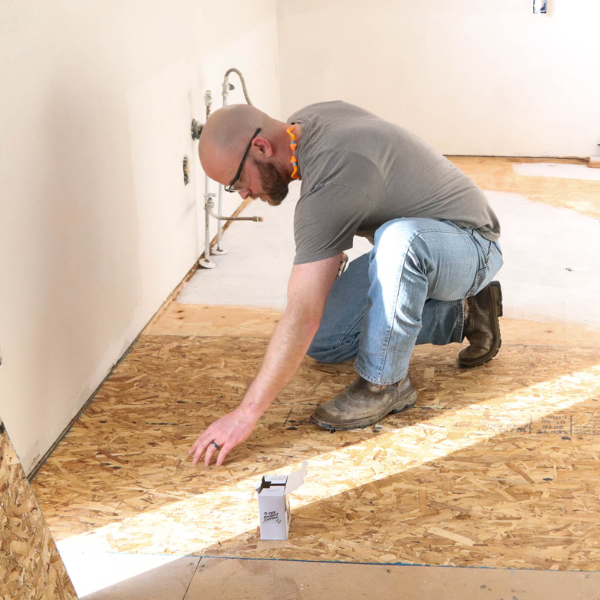
Commercial Plywood is widely used in flooring and subflooring applications due to its exceptional strength, stability, and ease of installation. It provides a solid foundation for various types of floor finishes, including hardwood, laminate, and tile. The layered construction of Commercial Plywood helps distribute loads evenly, reducing the risk of warping or bending over time. This makes it an ideal choice for supporting heavy foot traffic in both residential and commercial buildings.
One of the key reasons why Commercial Plywood is preferred for subflooring is its dimensional stability. Its cross-grain construction minimizes expansion and contraction due to changes in humidity and temperature, maintaining the integrity of the entire floor structure. According to construction specialist Michael Green, “A stable and reliable subfloor is crucial for long-lasting flooring installations, and Commercial Plywood delivers exactly that.”
In addition to stability, Commercial Plywood offers a smooth surface that makes it easy to install and secure to floor joists. This characteristic reduces installation time and ensures a secure fit for the final flooring layer. Its cost-effectiveness compared to other wood products further enhances its appeal for large-scale construction projects.
Application 2: Wall Sheathing
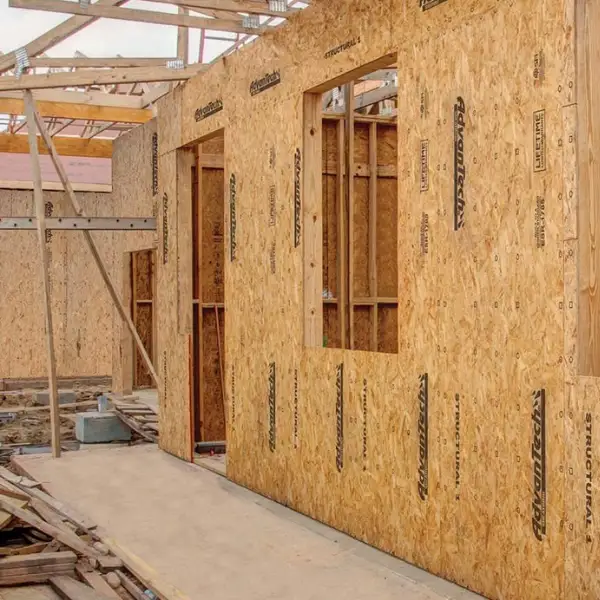
Commercial Plywood is a popular choice for wall sheathing due to its excellent structural integrity and load-bearing capabilities. When used in structural wall panels, Commercial Plywood provides a solid and stable surface that enhances the overall strength of the building. Its cross-laminated structure contributes to increased rigidity, making it resistant to flexing or bending under stress, which is essential for maintaining the integrity of exterior walls.
One of the primary advantages of Commercial Plywood in wall sheathing applications is its ability to provide both stability and insulation. It acts as a supportive layer beneath exterior cladding, improving the building’s resistance to wind, impact, and other external forces. Moreover, Commercial Plywood offers better thermal insulation compared to alternative sheathing materials, which helps in improving energy efficiency.
According to building engineer Sarah Brown, “Using Commercial Plywood for wall sheathing not only enhances the structural strength of the building but also offers better insulation and moisture resistance, ensuring the longevity of the structure.”
Additionally, Commercial Plywood is easy to cut and fasten, making it a convenient option for construction teams. Its uniform composition allows for secure fastening of exterior siding, which adds to the durability and appearance of the building’s exterior.
Application 3: Roofing
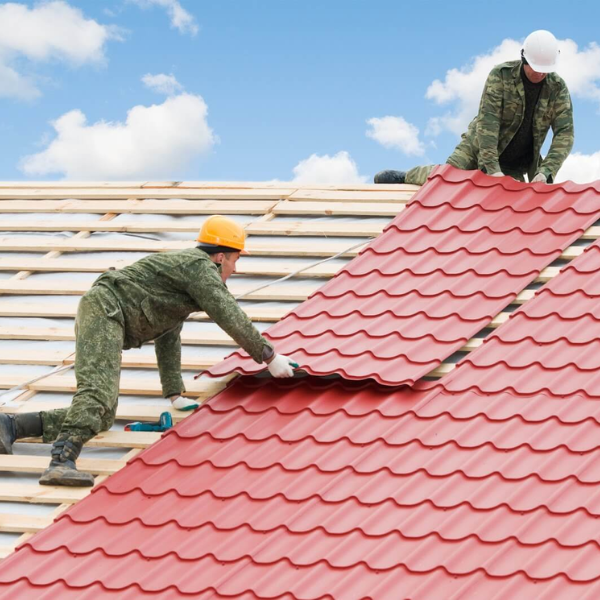
Commercial Plywood plays a crucial role in roof decking, providing a strong and stable base for various roofing materials such as shingles, metal sheets, or tiles. Its cross-laminated structure offers enhanced stability and load-bearing capacity, making it an excellent choice for supporting the weight of roofing materials and withstanding the impact of external elements like wind and rain.
One of the key benefits of using Commercial Plywood in roofing is its moisture resistance. Although it is not completely waterproof, high-quality Commercial Plywood is designed to resist moderate moisture exposure, preventing the panel from swelling or delaminating over time. Builders often choose this material for roof decking because it maintains its integrity in varying weather conditions, ensuring a durable and long-lasting roof structure.
Additionally, Commercial Plywood provides a smooth and uniform surface, allowing for the even application of roofing materials. This reduces the likelihood of uneven roofing and contributes to the overall aesthetic appeal of the finished roof. According to roofing contractor David Wright, “A stable roof starts with a solid deck, and Commercial Plywood is a reliable material that supports both the structure and the finishing layer.”
Application 4: Furniture Making

Commercial Plywood is a versatile material commonly used in furniture making due to its durability, cost-effectiveness, and ease of handling. This plywood offers a stable and reliable base for creating a wide range of furniture pieces, from tables and chairs to cabinets and shelves. Its strength and structural stability make it an ideal choice for furniture that needs to withstand daily use and heavy loads.
One of the key advantages of Commercial Plywood in furniture making is its versatility. It can be easily cut, shaped, and finished, allowing craftsmen to create intricate designs and custom furniture. Additionally, the smooth surface of Commercial Plywood makes it an excellent choice for painting, staining, or laminating, enabling a variety of finishes to suit different aesthetic preferences.
Furniture manufacturers also appreciate the cost benefits of using Commercial Plywood. It provides the appearance and feel of solid wood at a fraction of the cost, making it a popular choice for mass-produced furniture items as well as custom-made designs. According to furniture designer Emma Johnson, “Commercial Plywood combines durability and versatility, allowing designers to create beautiful and functional pieces without compromising on quality.”
Application 5: Cabinetry and Shelving
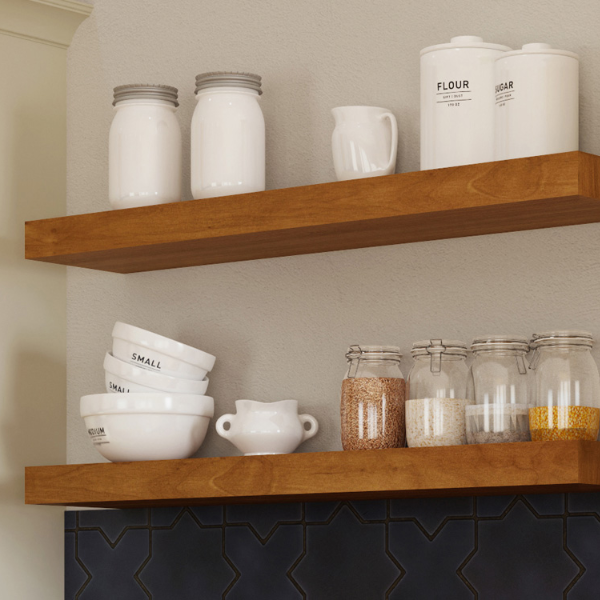
Commercial Plywood is a popular choice for cabinetry and shelving due to its structural stability, smooth surface, and ease of customization. This plywood provides a solid core that ensures cabinets and shelves are not only sturdy but also durable enough to withstand daily use and heavy loads. Whether used in kitchens, offices, or storage areas, Commercial Plywood delivers reliable performance and a polished appearance.
One of the main reasons why Commercial Plywood is favored in cabinetry and shelving is its smooth and consistent surface. This feature makes it easy to paint, laminate, or apply veneers, giving cabinets and shelves a high-quality finish. The uniformity of Commercial Plywood allows for precise cuts and joins, resulting in sleek, professional-looking cabinets and shelves.
Moreover, Commercial Plywood offers the advantage of being lightweight yet strong, which is crucial for cabinets that are often mounted on walls or for shelves that need to bear considerable weight. Contractors and interior designers appreciate the flexibility and practicality of this material in creating custom cabinetry and storage solutions.
According to cabinet maker Thomas Miller, “Commercial Plywood provides the perfect balance of strength, aesthetics, and workability, making it a go-to material for crafting durable and visually appealing cabinets and shelves.”
Application 6: Interior Paneling

Commercial Plywood is a highly preferred material for interior paneling due to its combination of aesthetic appeal and functional benefits. It offers a smooth, even surface that can be finished in numerous ways, including painting, staining, or applying decorative veneers. This versatility allows designers and builders to create attractive interior spaces with a polished and professional look.
One of the key reasons why Commercial Plywood is ideal for interior paneling is its flexibility in design. The plywood panels can be cut into various shapes and sizes, making them suitable for both traditional and contemporary design styles. Additionally, its uniform structure ensures that there are no visible grain inconsistencies, providing a sleek appearance that enhances the overall ambiance of the room.
Commercial Plywood also provides practical advantages in interior applications. It is lightweight and easy to install, which reduces labor costs and shortens project timelines. Moreover, the material offers excellent resistance to shrinking and warping, ensuring that the panels maintain their integrity over time. This durability is particularly valuable in high-traffic areas or spaces exposed to changes in temperature and humidity.
According to interior designer Rachel Turner, “Using Commercial Plywood for interior paneling allows you to achieve a high-end look without the premium price of solid wood. Its smooth finish and easy customization options make it a favorite among designers.”
Application 7: Doors and Windows
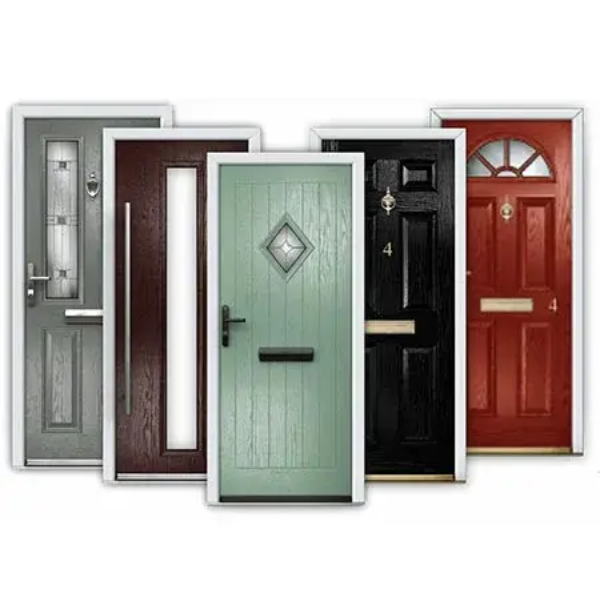
Commercial Plywood is widely used in the manufacturing of doors and window frames due to its strength, stability, and versatility. The cross-laminated structure of Commercial Plywood ensures that it is less prone to warping and cracking, which is essential for maintaining the shape and functionality of doors and windows. This durability makes it an ideal material for both interior and exterior doors, as well as window sashes and frames.
One of the key benefits of using Commercial Plywood in doors and windows is its resistance to environmental changes. Unlike solid wood, which can expand and contract significantly with variations in temperature and humidity, Commercial Plywood remains relatively stable. This characteristic helps in preventing doors from sticking or jamming and window frames from losing their fit over time.
Additionally, Commercial Plywood offers a smooth surface that can be easily finished to achieve the desired aesthetic. It can be painted, stained, or laminated to match the overall style of the building, making it a versatile choice for both traditional and modern designs. The flexibility in finishing options allows homeowners and builders to create doors and windows that are not only functional but also visually appealing.
According to carpenter and door specialist Mark Hamilton, “The stability and finish quality of Commercial Plywood make it a reliable material for crafting doors and window frames. It provides the strength needed for structural integrity while offering a refined look.”
Application 8: Packaging and Crating
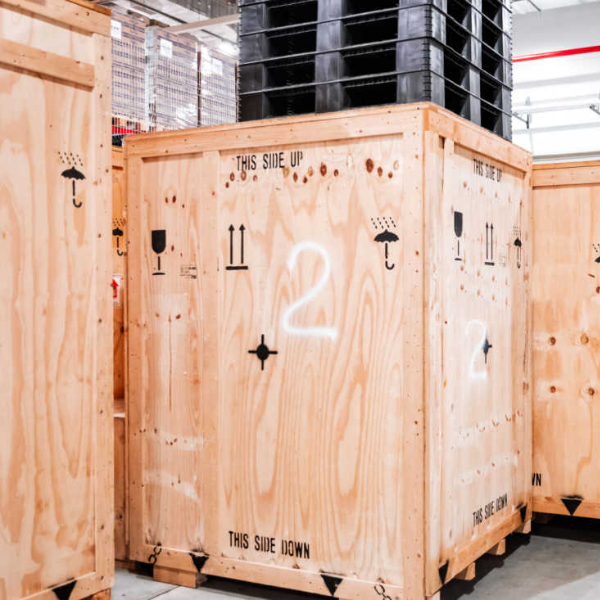
Commercial Plywood is a preferred material for packaging and crating due to its durability, lightweight nature, and cost-effectiveness. When it comes to transporting valuable goods, reliable packaging is crucial, and Commercial Plywood offers the strength and protection needed to safeguard items during shipping and storage.
One of the key advantages of using Commercial Plywood for packaging is its high impact resistance. Its cross-laminated construction helps it withstand rough handling and external impacts, which is essential for keeping goods secure during transportation. Additionally, Commercial Plywood provides excellent load-bearing capacity, making it ideal for building strong crates and pallets capable of carrying heavy or delicate items.
Moreover, Commercial Plywood is easy to cut, shape, and assemble, allowing manufacturers to create custom-sized crates and packaging solutions based on the specific needs of the goods being transported. This flexibility in design ensures that products fit securely and are well-protected from damage, vibrations, or external elements.
The material’s affordability and lightweight nature make it a practical choice for large-scale shipping and packaging operations. According to logistics expert John Carlson, “Using Commercial Plywood for packaging not only improves product protection but also helps reduce shipping costs due to its lightweight design and easy handling.”
Application 9: Temporary Structures
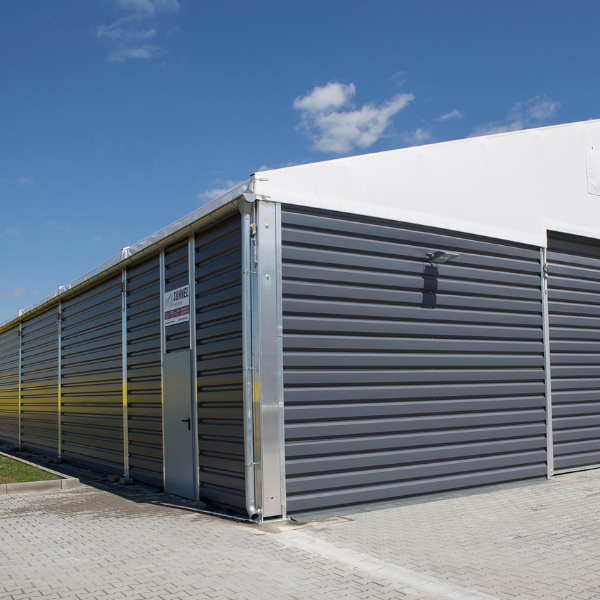
Commercial Plywood is extensively used in the construction of temporary structures such as partitions, scaffolding platforms, and formwork due to its strength, versatility, and affordability. Temporary structures often require materials that are easy to work with, can withstand environmental conditions, and provide adequate support for short-term applications. Commercial Plywood fits these criteria perfectly, making it a go-to choice for contractors and builders.
One of the primary reasons why Commercial Plywood is ideal for temporary structures is its ease of installation and flexibility. It can be quickly cut and shaped to fit specific dimensions, allowing builders to create customized partitions and formwork with minimal effort. This flexibility significantly reduces labor time and costs, making it a cost-effective solution for short-term construction needs.
In scaffolding and formwork applications, Commercial Plywood provides the necessary support and stability for concrete pouring and construction activities. It can withstand heavy loads and resist bending under pressure, ensuring the safety and effectiveness of temporary platforms. Additionally, the smooth surface of Commercial Plywood helps achieve a cleaner finish when used in concrete formwork, reducing the need for additional polishing.
According to construction engineer Peter Dawson, “The ability to quickly and easily construct reliable temporary structures with Commercial Plywood makes it an indispensable material on construction sites. Its balance of strength, flexibility, and affordability is unmatched.”
Application 10: Exterior Cladding
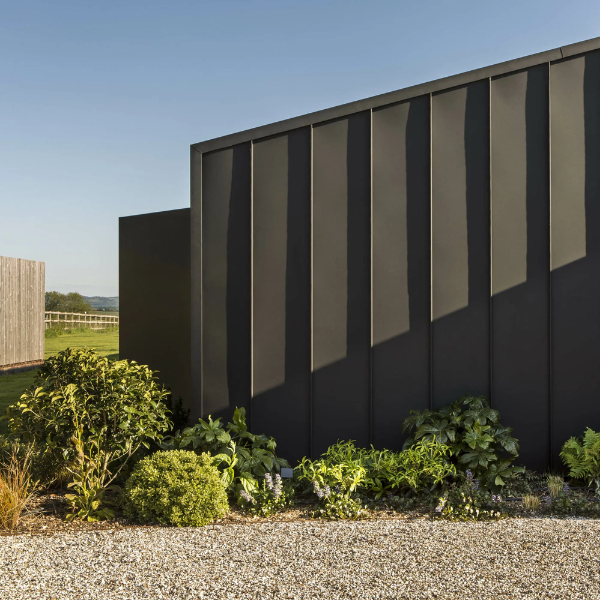
Commercial Plywood is a versatile option for exterior cladding due to its strength, stability, and ability to withstand environmental conditions. It serves as an excellent base layer beneath various exterior finishes, providing both structural support and improved weather resistance. Builders often choose Commercial Plywood for cladding applications because of its durability and reliable performance in diverse climates.
One of the main benefits of using Commercial Plywood for exterior cladding is its weather-resistant properties. While it’s not inherently waterproof, high-quality Commercial Plywood is treated or laminated to withstand moderate exposure to moisture, making it suitable for exterior walls and facades. When combined with appropriate exterior treatments and finishes, it can offer long-lasting protection against the elements.
Moreover, Commercial Plywood provides a smooth and uniform surface, which allows for a variety of finishes, such as paint, stucco, or siding materials. This versatility in finishing options enables builders and designers to achieve a cohesive aesthetic that matches the building’s overall design theme. Additionally, Commercial Plywood enhances the structural integrity of exterior walls, reducing the likelihood of warping or sagging.
According to architect Rachel Meyer, “Using Commercial Plywood as a base for exterior cladding offers a solid and reliable framework that can support different finishes, enhancing both the appearance and durability of the building’s facade.”
Conclusion
In conclusion, Commercial Plywood plays a vital role in the construction and furniture-making industries due to its versatility, durability, and cost-effectiveness. From flooring and subflooring to interior paneling, cabinetry, doors, and exterior cladding, this engineered wood product meets a wide range of structural and aesthetic needs. Its ability to provide a stable, smooth surface while maintaining strength makes it an essential material in both residential and commercial projects.
Whether it’s creating strong structural walls, building custom furniture, or designing intricate interior decor, Commercial Plywood offers numerous applications that demonstrate its value and reliability. By providing a balance of quality and affordability, it enables builders, designers, and manufacturers to achieve high-quality results in their projects.
Ultimately, the diverse applications of Commercial Plywood showcase its importance in the construction and woodworking sectors. Its flexibility in design, ease of installation, and long-lasting performance make it a trusted choice for professionals seeking dependable and versatile materials for various projects.